
Yes, I’m a miner – I admit it and I love it.
As the great Antonio Molina sang, “I don’t curse my luck… because I was born a miner…” In my case, and that of many of us who earn our living selling, our day-to-day is going down the mine – “the street” – to hammer away at “doors”, prospect s and customers, whether in person, by phone, by email or by any other route we can think of.
It’s not only salespeople who live off finding new prospects and turning them into customers; many departments need new contacts to make the company grow. We’re talking about networking, key contacts who help us in our business, so they can be partners, suppliers, associates, referrers, sponsors…
I’ve been in sales since last century – 1999, when I worked in the sales department of CESMA Escuela de Negocios before moving on to Xerox, a company known as a great school for salespeople – and this is what I’ve learnt over the years about being a good miner:
Before going down the mine, get prepared
You can never approach a prospect without knowing them first, without having researched their company, its structure and how decisions are made. If you don’t, you’ll be knocking on the wrong door and may even put them off.
Analyse very carefully the kinds of companies you want to target, your target market, and who calls the shots – the decision maker in that company, your contact person.
At Xerox we drew up a complete map of the company: its structure, main contacts, how they were connected to each other, the history of the relationship, business figures and so on. That’s why you need a CRM from day one.
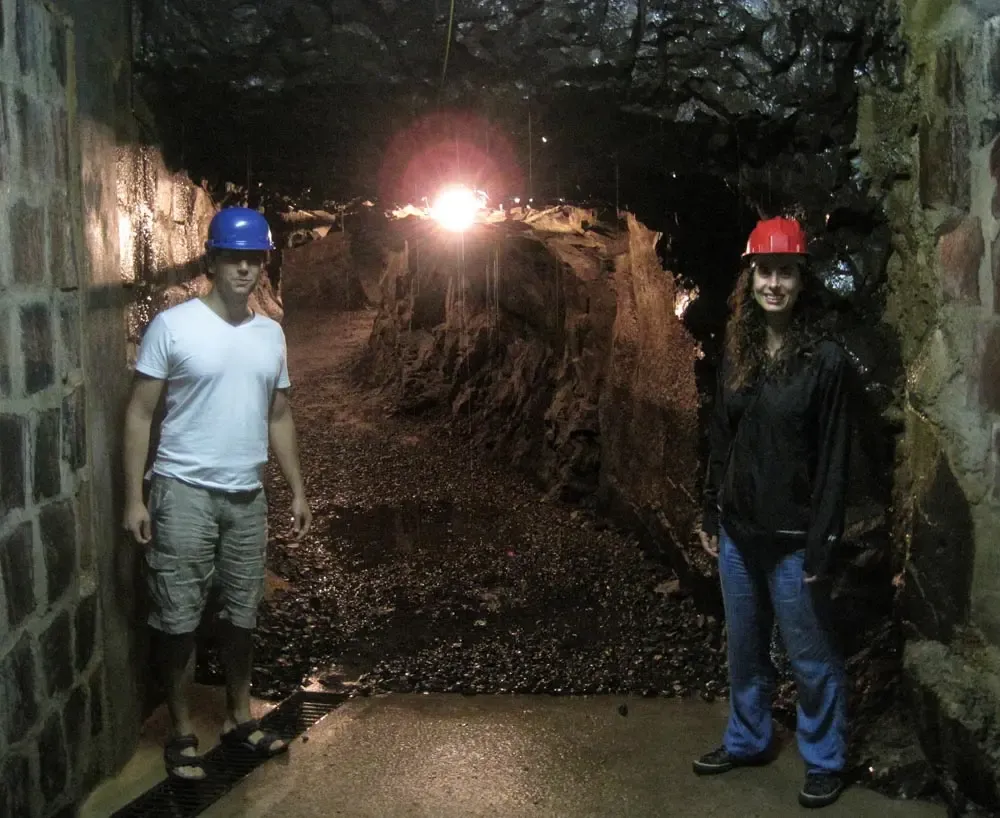 First steps on going down the mine
If you’ve already landed a first meeting with a prospect, prepare that first contact thoroughly – the first impression undoubtedly counts for a lot. At Xerox, as at other companies, you gain a great deal if you can get the potential customer to come to your office.
Prepare the WOW effect, the first punch
The red carpet – they taught me this very well at Regus. In your office, at your headquarters, everything has to be perfect. The reception team, if you have one, should know who’s coming, their name, position and company. They should be looked after as soon as they arrive, offered a seat and a coffee.
Brief your team. If it’s an important visit, give them a tour of your company so they get a good idea of what you do, your structure and who’s who. You all need to be well in sync to make the best impression.
The DEMO or company presentation
Find a quiet room or space with no interruptions, and be sure to offer them water, coffee or a soft drink so they feel at home. The room should be spotless, clean and tidy, and test the equipment beforehand if you’re using it (screen, projector, internet connection, etc.).
Before launching into your pitch you’ve had time during the tour to break the ice; if not, do it now, before you start talking about yourself. Take the opportunity to keep getting to know your customer, not only about their company but about them – their hobbies, their family if they want to tell you.
The miner’s tools
If you’re going to do a product demo, nothing can go wrong, and the more personalised the better. If you use a sales presentation in PowerPoint or Prezi, it must be simply excellent, and don’t try to tell them everything – just solve their problem or need.
Whatever you tell them, they need to take away on paper, as a PDF, a brochure, on a USB stick, whatever, so they can think it over calmly in their office and share it with their team. Don’t expect to close a contract at the first meeting.
Constant work, slowly but surely
That’s how you get GOLD out of a mine. As I mentioned earlier, you need an action plan, to be very clear about who your customers are, who makes the decisions and how to reach them, and to record all that activity in a CRM. That way, after the first meeting you’ll be able to plan the next actions, whether it’s a call, an email or another meeting.
This constant work, systematically feeding all your sales activity into a CRM, will help make sure that deals or previous actions aren’t forgotten, and that neither you nor anyone else on the team contacts a customer we’ve already approached, offers them something we’ve already offered them before, or makes hundreds of other mistakes we make by not checking first.
And you – how do you work the mine?
Categories