
Are you an entrepreneur?
Do you have a brilliant idea that could become a profitable business?
Are you launching your start-up but need a push? Partners, collaborators, employees…
Would €100,000 take your company to the next stage?
The time has come to present yourself to private investors
For 4 years I’ve been regularly attending events where entrepreneurs fight tooth and nail presenting their idea or project, whether at events, conferences, awards, competitions, iWeekends and Startup Weekends or at presentations in investor forums. This is what I’ve observed, and I hope it helps you. Here’s a link to the main events for entrepreneurs and some tips.
Here’s a list of competitions for entrepreneurs and start-ups via Eureka Startups, but don’t overdo the events, competitions or forums: focus on developing your product or service before you step into the spotlight.
Check out the list of the main business angels compiled by Carlos Blanco: Visit his blog.
Preparing beforehand
The perfect pitch: sum up the name of your project/company and its value proposition in one minute. Rehearse it 100 times until it’s 100% natural, powerful and original. You can do it: however sophisticated and complex your project is, tell it in 1 minute.
The PPT or Prezi: don’t overdo the slides or overwhelm people with data; you have to be able to tell everything in 10 visual hits or fewer. Follow Guy Kawasaki’s rule: 10 slides, 20 minutes, 30 (font size). For example:
1- Logo, name, slogan and a giant web address
2- A brief story of how the idea came about, the market niche, the opportunity, the solution to a problem… The more visual the better, and if you can tell it with animation or video, top marks (again, the video should be between 1 and 2 minutes).
3- Introduce the team, their previous experience and why they’re the best, their roles and their involvement in the project.
4- Talk about the competition, similar companies and where you beat them. An infographic or a giant table comparing yourself.
5- If you can show a DEMO or Beta of how it works here, perfect!
6-7- Main results and milestones achieved
Sales, number of registered users, customers, agreements signed, partners, awards, capital raised
8- Sales forecast for the next 4 years, highlighting when you break even (in the black)
9- How much capital you’re looking for and what it will be invested in
10- Close, contact, more info, follow us on…
D-Day
Arriving at the event:
Well in advance, to get in touch with the organisers and properly test the equipment you’ll be using. Bring a backup: laptop, tablet, USB stick, PDF, offline Prezi…
Before stepping into the arena:
A good tip from Kilian Barrera, an entrepreneur with plenty of experience in these parts: “20 minutes beforehand I put my headphones on with music that motivates me, go over the slides and tell myself that I’m among friends, I’m going to be calm because this project is what I love… and finally that ‘I’m the f***ing boss’, hehehe… basically, hardcore self-motivation!”
Introducing the team:
Always at the start: say their names loud and clear so people can identify you properly. Have them alongside you, and even have them speak at some point during the presentation to make it more engaging.
What to wear:
Look immaculate; if you’re going casual, make sure it’s well coordinated and stylish, perfect from head (hair, beard…) to toe.
The speech:
Pitch your voice so the whole audience can hear you properly, make good use of the microphone if there is one, don’t speak in a monotone, play with pauses, don’t use too much technical jargon, and keep the message clear and concise.
Grabbing attention:
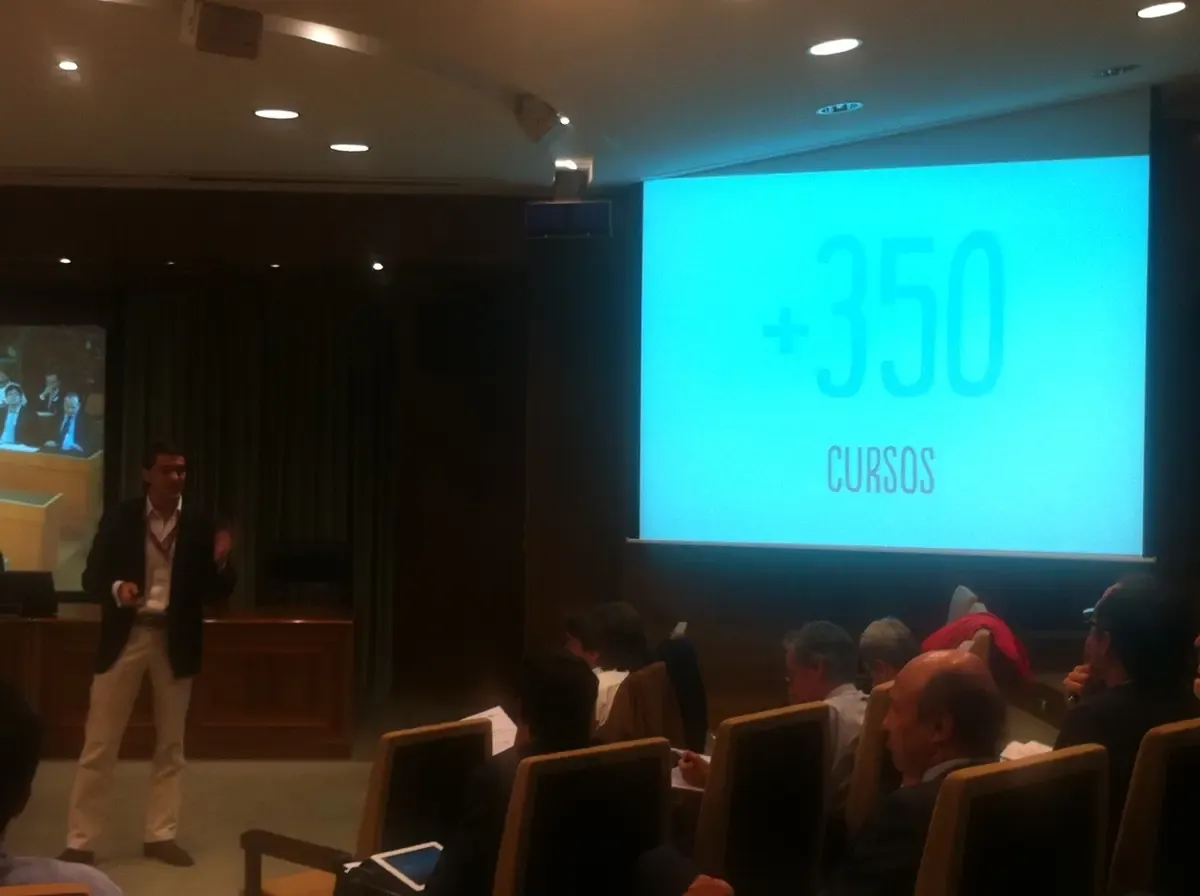
Make sure everyone can hear and see you properly. Use the lighthouse technique: sweep your gaze across the whole room, because you’re speaking to everyone. Reinforce your words with gestures, but don’t force them. For a perfect example, look at Carlos González de Villaumbrosia of Floqq, who does it by the book.
Questions and answers:
Listen carefully to the questions and answer confidently (prepare for every possibility beforehand). Don’t interrupt or answer too soon. Don’t answer in a cocky way; be humble.
The close:
Use the surprise factor with one last powerful fact, exclusively inviting them to the Beta, an event or a product trial. If possible, hand out a leaflet, a brochure, a gadget or a business card, as long as it’s original and reinforces the brand.
Coverage:
Someone from your team or, if you’re on your own, a friend who can take good photos of you, of the room and of the event, to spread the word on Twitter, Facebook, LinkedIn, YouTube and wherever else it takes.
Follow-up:
If you’ve sparked interest among the audience, now’s the time to chat after the event, collect business cards and set up a next meeting, send a follow-up email, add them on LinkedIn, follow them on Twitter…
If you’re part of the entrepreneurial ecosystem, see you on Foundum
Good luck!
Categories