
I have spent many years getting to know and supporting entrepreneurs, ever since I took the plunge in 2008 and went to work at a real startup.
At the end of 2009 I moved on to run an SME, but one founded by 2 entrepreneurs and offering services to entrepreneurs.
In 2011 I threw myself fully into the entrepreneurial ecosystem when I became head of AJE Madrid, the Asociación de Jóvenes Empresarios de Madrid (Madrid Young Entrepreneurs’ Association) and a pioneer in supporting entrepreneurs. Since then I have mentored more than 40 startups and spent thousands of hours listening to their projects and giving them feedback.
Since 2015 I have run the first edtech accelerator, and this has given me an even broader view of the entrepreneurial ecosystem.
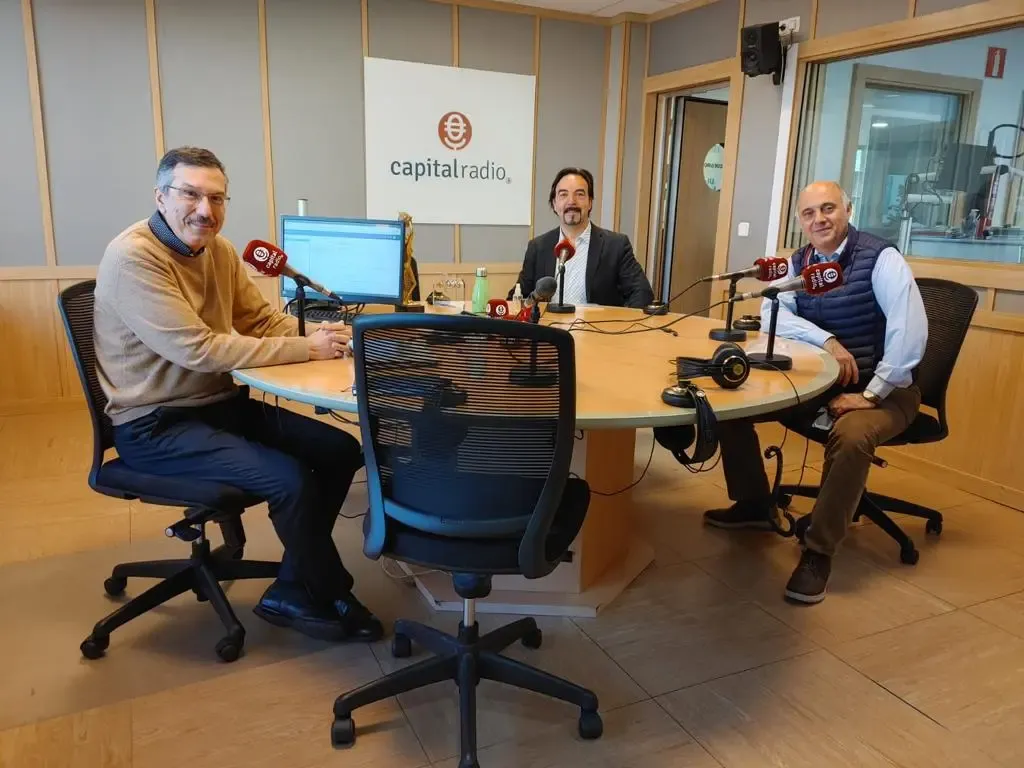
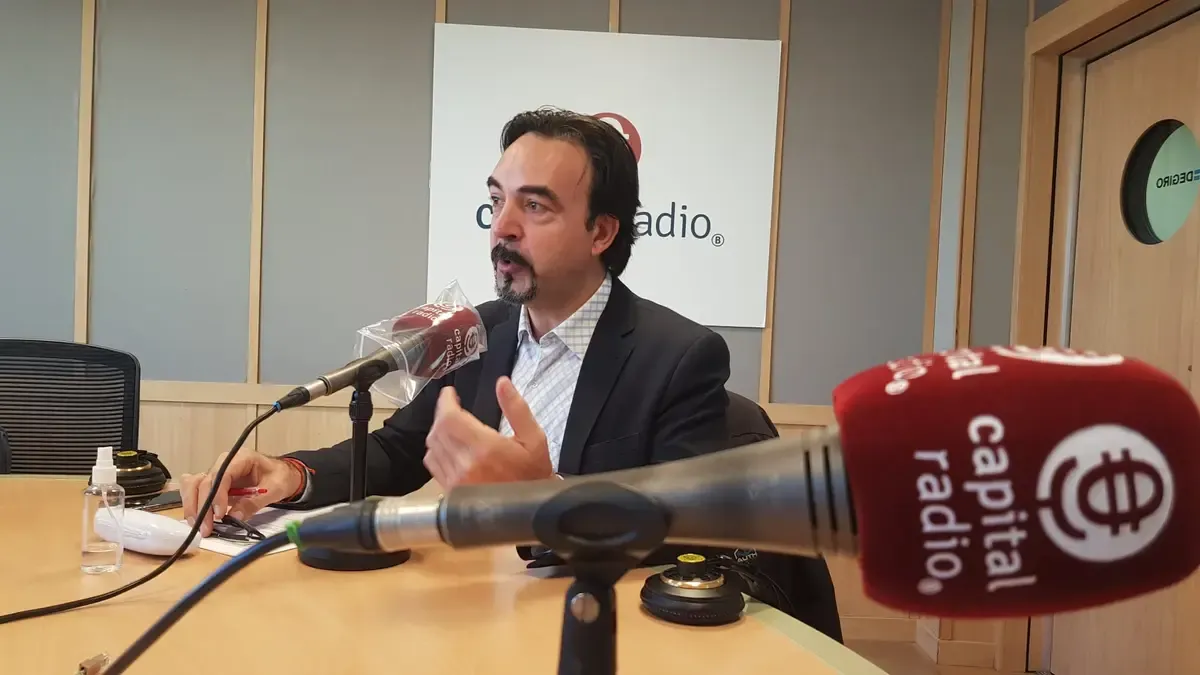
Julio Rodríguez, founder of Mentoring Spain, invited me onto the radio to give him my view of the entrepreneurial landscape in Spain. Below I share a summary of the interview I gave on Capital Radio on 28 December 2020.
What is your current role? Why do you consider yourself a connector?
I currently lead SEK Lab, the first vertical accelerator driving innovative startups in education, an initiative of the Institución Educativa SEK. More than 50 startups have been through our accelerator, and the best thing of all is the survival rate: 80% are still active.
From the outset I was clear that the mentors had to be a differentiating factor. We have more than 30, all of them executives and entrepreneurs with more than 15 years of professional experience and a genuine passion for education. We assign 2 or 3 mentors to each startup to accompany it for 6 months, along with beta testing in schools and universities, master classes, attendance at events and connections with investors and customers.
I consider myself a CONNECTOR because, after listening to an entrepreneur’s needs, I immediately think about who to connect them with to overcome the barriers or reach the milestones they have set themselves. It is very satisfying to see the connections work and both sides win.
Where would you place Spain on the world entrepreneurship map?
According to the latest GEM (Global Entrepreneurship Monitor) study, we are now in the TOP 10 of the 100 countries analysed, which is excellent news. We have an ecosystem that meets every requirement for starting a business successfully and being supported at every stage. Only the United States, the UK, Israel, Canada, Germany, the Netherlands, Australia and Switzerland are ahead of us. Barcelona is number 20 in the world ranking, undoubtedly one of the most attractive cities in which to start a business.
Between 5 and 6 adults in every 100 decide to start a business. 70% do so out of opportunity and 46% out of necessity. The average age for starting a business is 40, with no great difference between men and women, and almost half had higher education.
What kind of companies survive?
Here my opinion is clear. The ones with a powerful, solid team, with at least 3 stars at the helm who have strong profiles in finance, operations, marketing, sales, communication and, of course, a technical profile if it is a startup where technology is key.
On the other hand, those companies that have drawn up a business plan, have a clear roadmap and have validated the idea in the market beforehand: they have sat down with experts from the sector, carried out interviews and run a market pre-test.
Funding is undoubtedly key, and you need to start with enough fuel in the tank to last at least a year.
What traits does an entrepreneur need so that their adventure doesn’t end in failure?
My answer to this question is that you have to be a superman or superwoman. You need a good number of skills to start a business. I talk about it in my entrepreneurship classes in schools and at university.
- First of all, self-awareness: knowing your limitations and having the humility to look for people who complement you.
- Leadership, without a doubt: you are at the helm of the ship
- Motivating the people around you
- Flexibility, adaptability
- Sales and negotiation skills
- Good communication skills, knowing how to persuade others
- Initiative, being tireless
- A good network of contacts…
Have a look here at the 16 highlighted by Universia.
How has COVID affected entrepreneurship?
My view of the last few months has not been so negative, since the main investors and venture capital firms in this country have kept backing and investing without taking advantage of the situation to drive down startup valuations. Some sectors have clearly grown and become more attractive, such as edtech, e-health or e-commerce, while others, such as tourism and offline businesses, have suffered.
There has been no shortage of funding, and ENISA has kept backing the most innovative projects.
What role does a mentor play when starting a business?
In my view a mentor is an adviser; we should consider them part of our company’s board of directors, since they are generally senior professionals with a strategic vision. They will help us build our company’s foundations. They will challenge us and help us reach the main milestones, and connect us with potential customers or partners.
Mentors can accompany us through the different stages of a startup: pre-seed, seed, early, growth, expansion and even the exit or sale stage. Not every mentor will be able to accompany us through every stage; they need to have lived through them before.
What advice would you give an entrepreneur who is just starting out?
First of all, a real passion for the idea or project they are going to launch. It should be something they like, know and master and, above all, something people want to pay for, which they have validated beforehand.
Look for a genuinely attractive market niche, with room to grow and where you are good in the sector.
Surround yourself with real experts and build a winning, balanced team in which the key areas are well covered. Even if they are not partners, they should have some stake and their work should be valued.
Plenty of drive and leadership, as well as self-awareness.
Here you can listen to the full programme; it lasts barely 25 minutes: https://www.capitalradio.es/audio/20201228_CAPITAL_MENTORING/87336978
Categories