
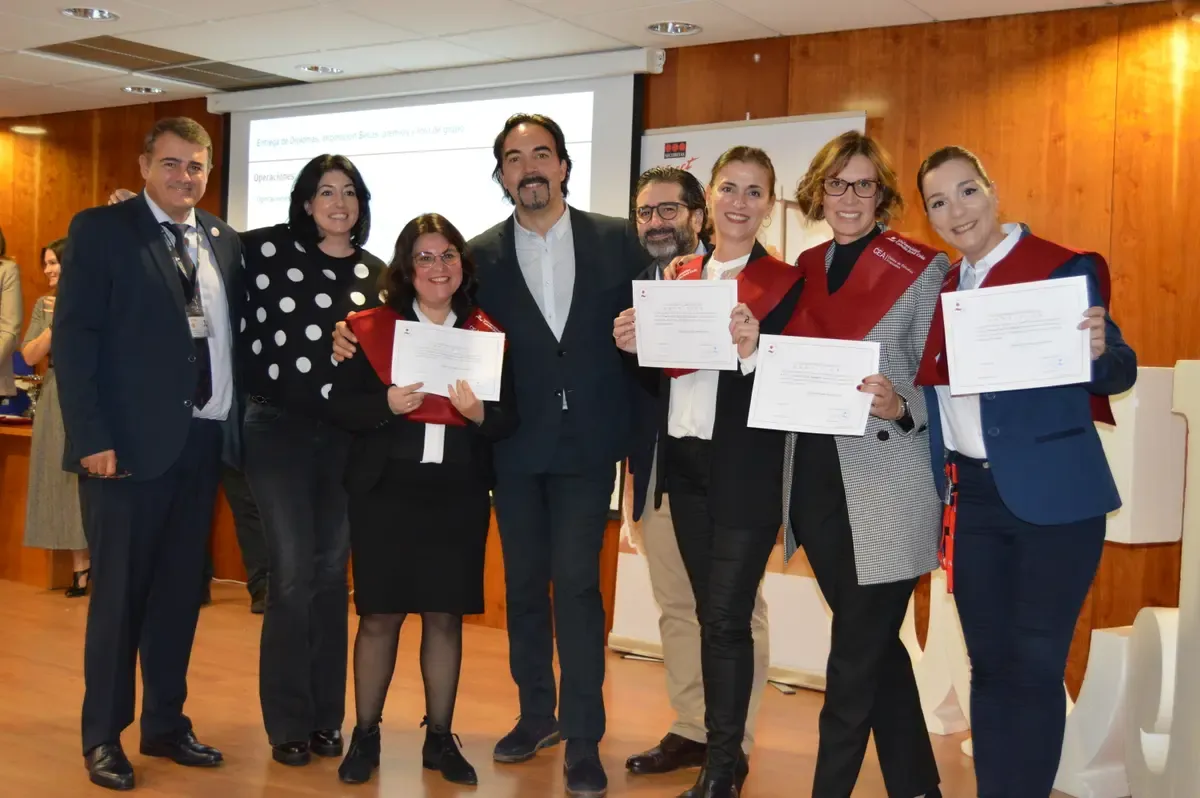
Securitas has been betting on intrapreneurs for more than 3 years, and I have seen it first-hand.
Thanks to my role as a corporate trainer at the Centro de Estudios Avanzados (Centre for Advanced Studies) of the Universidad Camilo José Cela, I am lucky enough to work for Securitas.
A little over 3 years ago my colleague Mario García, director of the CEA at UCJC, set me the challenge. He had developed a tailor-made training programme for Securitas to certify the experience of Securitas employees: the Experto Operador Digital de Contact Center (Digital Contact Centre Operator Expert) qualification.
As well as training in emotional intelligence, negotiation, public speaking, data analytics, customer service, stress management and much more, Mario wisely suggested including intrapreneurship.
Although my subject has the fewest teaching hours, it is the most visible, as it ends with the presentation of an intrapreneurial project at a Demo Day we organise on the day of the course’s closing and graduation ceremony, in front of the company’s top management: the directors of operations, human resources, sales…
My challenge is to bring out the best in my students, around 60 in each edition. The training is face-to-face or online.
My first session is an inspiring one: I tell them my personal story as a serial intrapreneur from my first steps back in 1995. I tell them about the advantages of being an intrapreneur: being able to stand out as a leader in a company, being able to get a project off the ground, achieving good results and, generally, getting promoted internally.
I also tell them an inspiring story, that of former Starbucks CEO Howard Schultz, who went from being a collaborator to an employee and finally the owner of the company, taking it right to the top. The most fun part is seeing afterwards whether they paid attention to the Starbucks video, because I give them a Kahoot!
After this kick-off I show them the skills an intrapreneur needs, which are the same ones an entrepreneur needs, and I show them the pros and cons of starting something under the umbrella of a company.
Then comes the moment of truth, and I organise a brainstorming session. I encourage them to think about the company’s internal problems (organisation, management, communication) and external ones (customer relations, new products or services, areas for improvement).
In barely 20 minutes we have between 12 and 15 ideas on the table that are applicable to Securitas and could improve the day-to-day of employees or customers. We vote on the most viable and highest-impact ideas, and we form teams around the ones with the most votes.
From here on they work as intrapreneurs. I show them how to bring the idea down to earth in a Business Model Canvas, validation, finding and analysing the competition, designing a questionnaire to go out and ask potential customers, thinking about key partnerships, analysing costs, distribution channels and, of course, the business model. In this final part I really stress that they should show how much they can save the company or how much business they can generate with their project.
What I like most is sharing tools with them so that they can work better and in an agile way. So they start to master Trello, or TEAM or Google Drive to share information. I encourage them to unleash their creativity by using Canva to design their marketing and communication strategy.
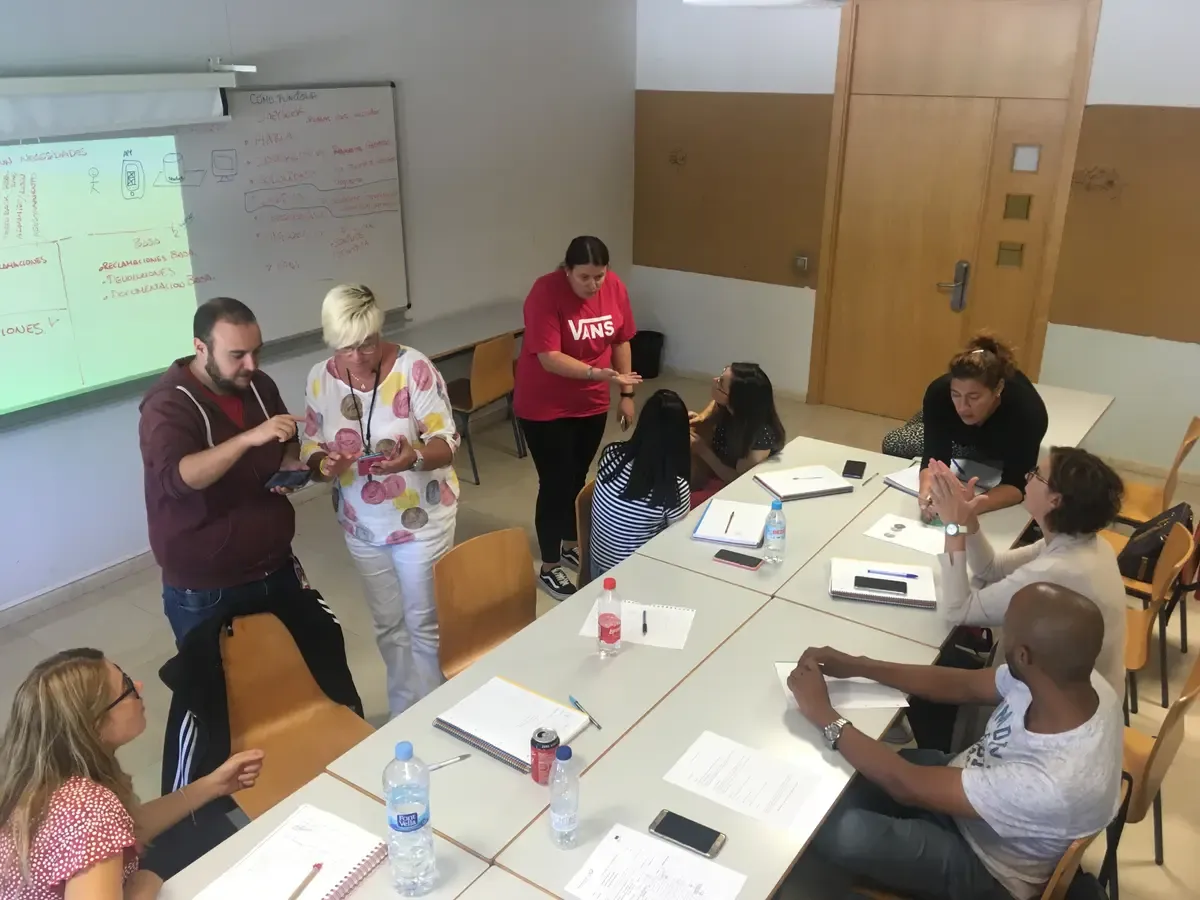
Working as a team, building the Business Model Canvas
Finally, my favourite. They can present their project as usual in PowerPoint or Canva, but I definitely recommend Genially if they really want to make an impact on the audience.
Once the project is under way, in every training session they have to make progress with deliverables and milestones, and for that they have me as their mentor. One of the last sessions is devoted to preparing their elevator pitch, so they are ready for a presentation to investors or, in this case, their bosses.
The end result at the Demo Day is impressive. My students are by now true intrapreneurs. They prepare the staging down to the last detail, make amazing videos to tell their project’s story, even create and bring a 3D-printed prototype of the product or something close to the final product, bring product leaflets with a QR code, put together a landing page or even programme a chatbot. They are machines!
And mind you, we do all this in barely 20 hours of training – imagine if we had more time…
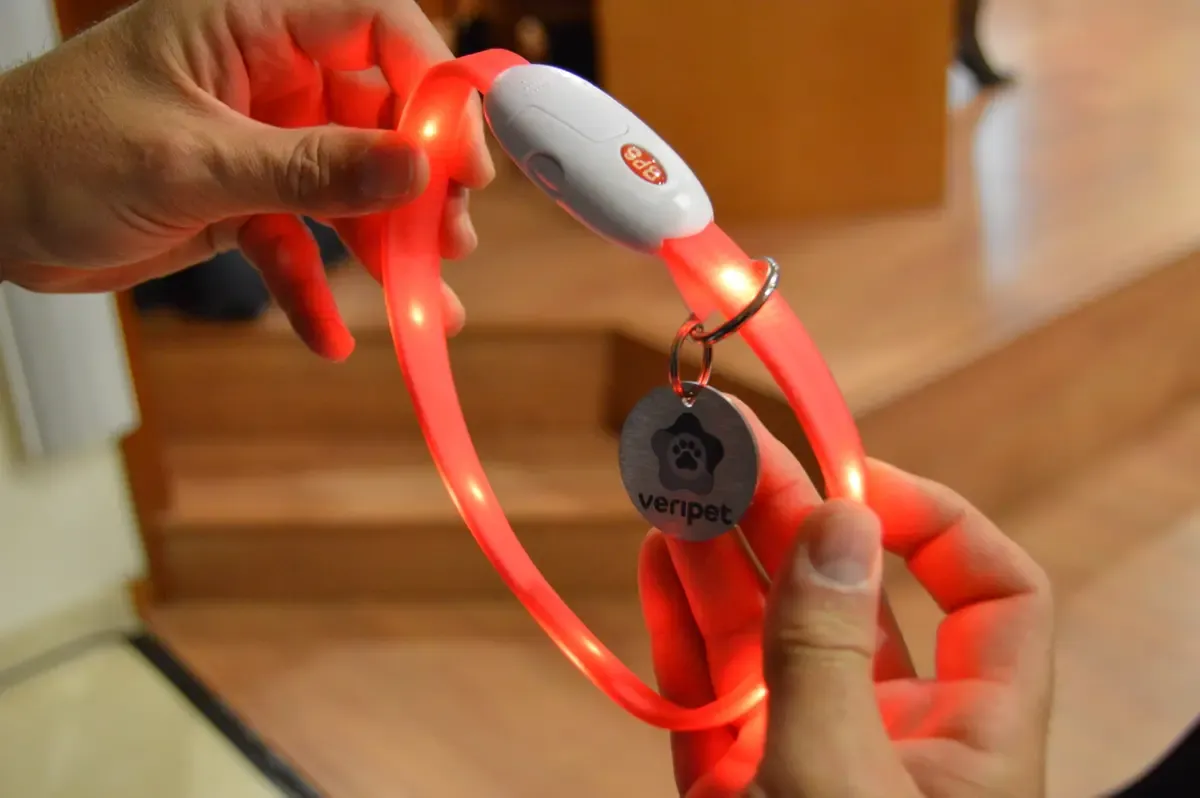
This is a prototype!
The jury has a really tough time choosing the winning project, which will then present its project to the company’s CEO, with the chance of putting it into practice.
In conclusion, one of the best bets a company can make, whether it is small, medium-sized or large, is to bet on its internal talent. Nobody knows the day-to-day better than its employees: you will be able to identify areas for improvement, bring in new ideas and pure innovation. The cost of getting it going is probably lower than what a consultancy would offer us – and may they forgive me for saying so.
The time has come to bet on intrapreneurs.
Categories