

Today networking is part of the life of business owners, SMEs, managers, executives, employees and entrepreneurs who are looking to expand their network of contacts, build new partnerships with other business owners or professional contacts, and better position their business.
But don’t get complacent: networking is one more tool that you must use strategically, and attending events also requires careful preparation. Preparation that isn’t always as simple as it seems, because there are real professionals in organising this kind of event.
Networking sessions have to meet a series of expectations that the people attending want to see fulfilled, and their success or failure depends entirely on them.
As such, a networking session is simply an event that encourages relationships between companies from any sector and allows chance first meetings to happen within a few hours, which can later lead to business relationships.
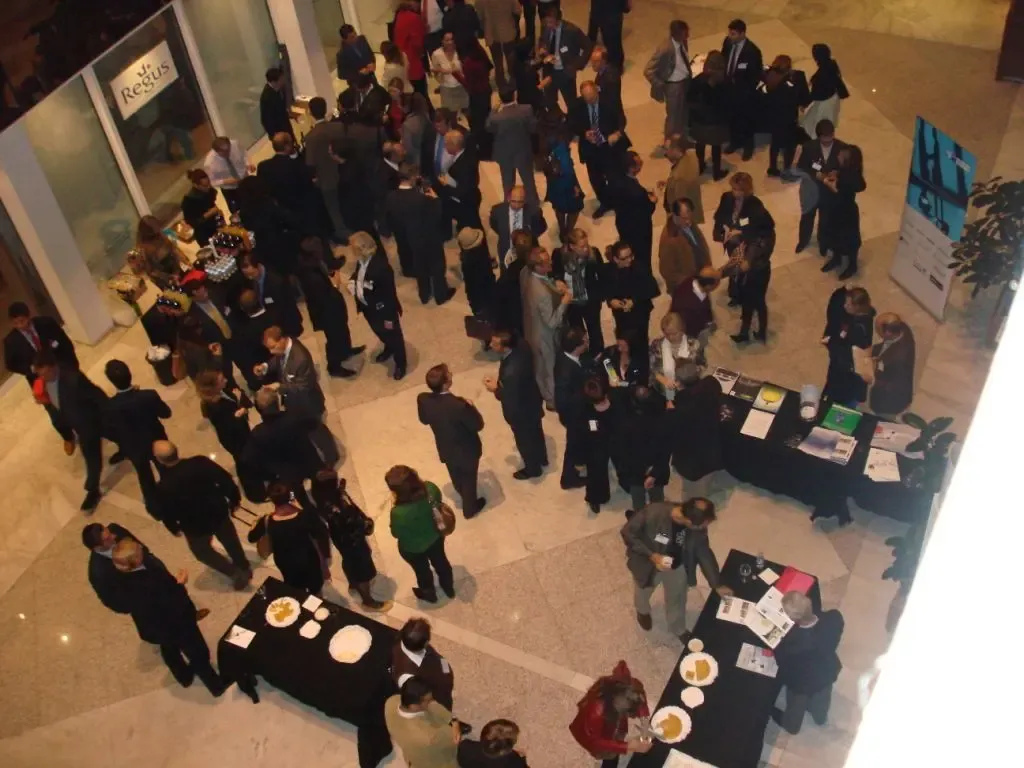
Some important things to bear in mind when organising a networking event:
- Location: the venue has to be well connected. It should be reachable by public transport, have parking nearby, and ideally have restaurants or bars close by in case opportunities come up for lunch meetings or a few drinks after the event.
- Timing: networking sessions are generally held during working hours, since they are part of a company’s activity. It’s advisable to hold them in the morning, as attendees are more inclined to do business then than in the afternoon, when the hours tend to drag.
- Room: it has to be spacious enough to have chairs and tables so attendees can sit down to make their first contacts if they wish. But not too big either, so the event doesn’t feel cold. Easy access to the exit or a terrace for smokers.
- Catering: whether it’s a morning or afternoon event, we should always plan a minimum catering service. Coffee, juice and mini pastries will be enough to liven up the session, increase attendees’ satisfaction and, in some cases, help them blend into the event. At midday and in the afternoon, the classic Spanish-style reception with wine, ham, croquettes and tortilla, but you can also offer something more elaborate if you have the budget.
- Identification: it’s a good idea for attendees to wear some visible identification with their name, company or sector to make it easier to approach other attendees. You can even provide a list of all the attendees so everyone knows who is there, making it simpler to set up meetings.
On the other hand, there are also a number of things that are NOT advisable at this kind of session:
- A single table, as in a company meeting. Many attendees tend to find it awkward to sit at a big table as if they were colleagues. You need to encourage people to move around the room rather than everyone staying in their seat.
What’s more, this limits the conversation to the people on either side of each attendee. - Rounds of introductions. Sometimes we organisers think that starting the session with rounds of personal introductions in front of the other attendees is enough to break the ice. It can work at events with few people, but it doesn’t usually go well with a large number, as it drags on forever and becomes tedious.
Finally, what we must always bear in mind is customer satisfaction, adapting the whole event to their needs so that they come back to future sessions and share their experience positively. Knowing about these experiences will help us do better next time and avoid repeating mistakes.
Send them a follow-up survey with Google Forms, Typeform or Survey Monkey so you can keep improving.
- If you organise events, don’t hesitate to get in touch and I’ll give you a hand.
Happy Networking!
Categories